Farms and Forests for Turtles
Zoo New England is connecting landowners to resources that can help improve their properties for turtles and people alike.
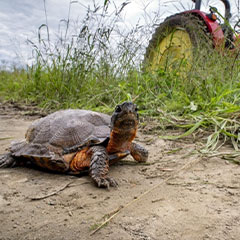
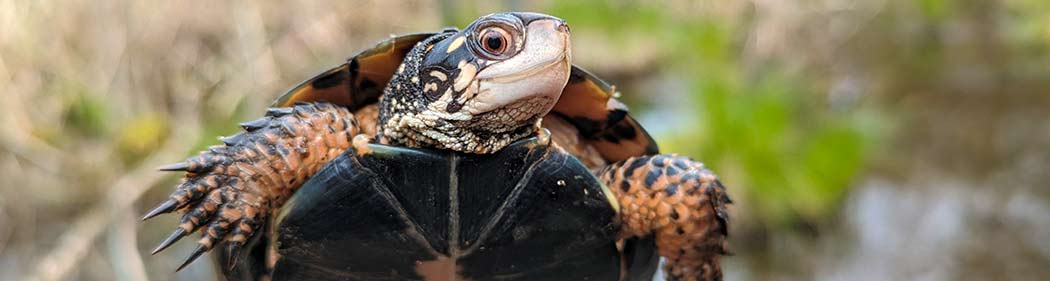
Wood, Blanding’s and spotted turtles are among the Northeast’s most vulnerable wildlife. These globally endangered, long‑lived species depend on connected wetlands, healthy waterways, and safe nesting areas. Zoo New England has spent more than two decades working to protect these turtles through habitat restoration, nest surveys and headstarting. Now, through the NRCS’s Working Lands for Wildlife – Northeast Turtles Initiative, we're helping connect landowners directly to federal Farm Bill conservation programs which provide the financial support and expertise to make meaningful habitat improvements on working farms, forests and rural properties across the region.
Through these programs, landowners can access support for projects such as:
- Restoring wetlands and enhancing natural flood storage
- Planting native shrubs and trees along streams and field edges
- Managing invasive plants to promote healthier ecosystems
- Creating or maintaining turtle nesting sites in safe, suitable areas
- Improving stream crossings and reducing erosion in high‑priority waterways
Habitat restoration for turtles can also benefit people. Natural buffers along rivers and restored wetlands can reduce erosion, improve water quality, and build resilience against extreme weather events.
Zoo New England can help you identify restoration opportunities and work with NRCS partners to develop a plan that aligns with your goals. Whether you manage a small woodland parcel or a large agricultural operation, even modest improvements can make a lasting impact for both wildlife and working lands.
For more information or to schedule a site visit, please contact us at fieldconservation@zoonewengland.org
Learn more about the program and eligibility below:
About the Working Lands for Wildlife – Northeast Turtles Initiative
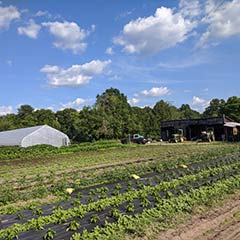
The USDA's Natural Resources Conservation Service (NRCS) developed the Working Lands for Wildlife – Northeast Turtles initiative to support at-risk turtle species on private lands across the region. Backed by Farm Bill funding, the program offers financial incentives to landowners whose properties contain or could support turtle habitat — whether agricultural land, tree farms, conservation easements, or other qualifying parcels. Participation is entirely voluntary.
Landowners can enroll in programs such as the Environmental Quality Incentives Program (EQIP), the Agricultural Conservation Easement Program (ACEP), the Conservation Stewardship Program (CSP), and the Healthy Forests Reserve Program (HFRP) to receive financial assistance for creating, enhancing and managing turtle habitat.
For those interested in longer-term protection, NRCS also offers Wetland Reserve Easements (WRE), which help permanently safeguard land and wetlands — particularly in areas where past agricultural use has degraded habitat for turtles and other threatened and endangered species.
Zoo New England is a partner on a National Fish and Wildlife Foundation grant, led by The Orianne Society, to connect landowners across the region to these federal conservation programs.
Eligibility
Most conservation opportunities supported through this project are designed for landowners and land managers, especially those who manage farms, forests or rural properties in priority areas for wood, spotted and Blanding’s turtle conservation. Landowners may be eligible if they:
- Own property that includes or borders streams, wetlands, floodplains, or riparian areas—key habitats for Northeast turtles.
- Are interested in improving water quality, reducing erosion, restoring wetlands, or enhancing wildlife habitat.
- Manage land that may qualify for NRCS Farm Bill conservation programs, which provide both technical and financial assistance.
Eligibility ultimately depends on the specific NRCS conservation practice being proposed, but many projects—such as creating riparian buffers, restoring wetlands, improving stream crossings, or maintaining nesting habitat—are common fits for farms, woodlots and mixed‑use rural properties across the region.
Interested in helping turtles but not sure if you qualify for this program? Get in touch! Even if NRCS programs aren’t the right fit for your property, we can help provide guidance or resources for improving your land for wildlife.